Pilates
Group Mat
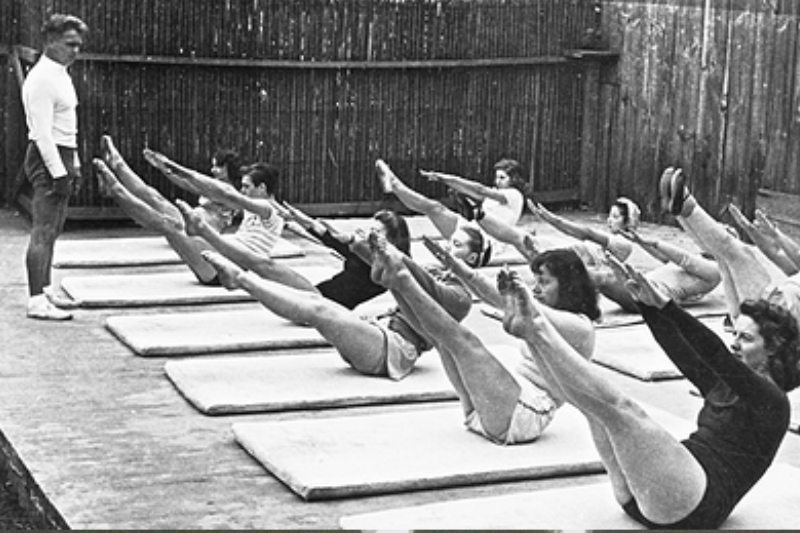
With our experienced teachers and access to a variety of props, our Pilates mat classes are never boring! With a maximum of 8 clients per class, we focus our attention on each person so they get the greatest benefits from their mat session. Classes are available at all levels, from complete beginners to advanced.
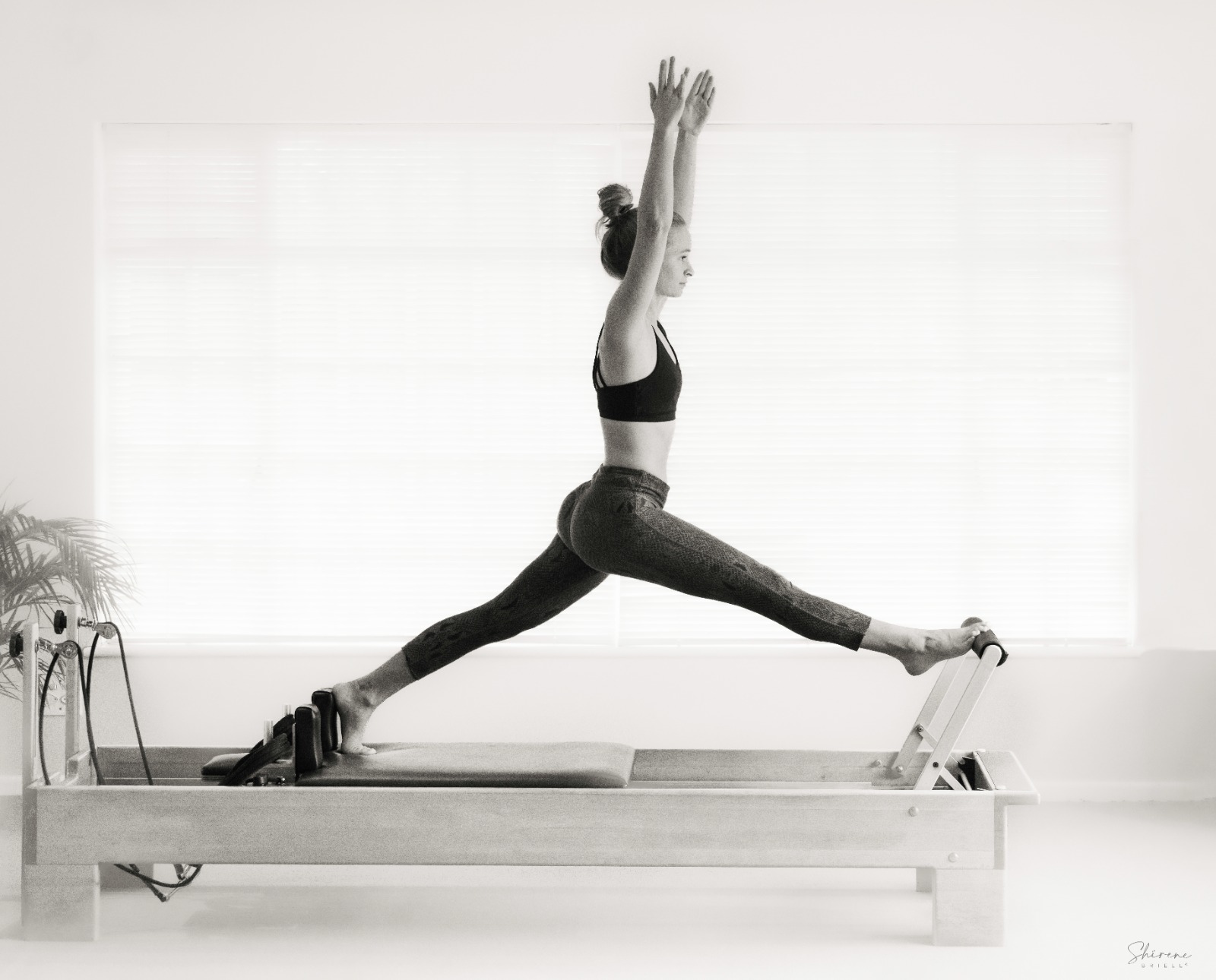
Group Reformer
The Pilates equipment adds a deeper and dynamic layer to the mat work. Our group classes have a maximum 5 clients, each on their own reformer. The specific level of class allows each person find their appropriate challenge while experiencing a complete mind-body connection.
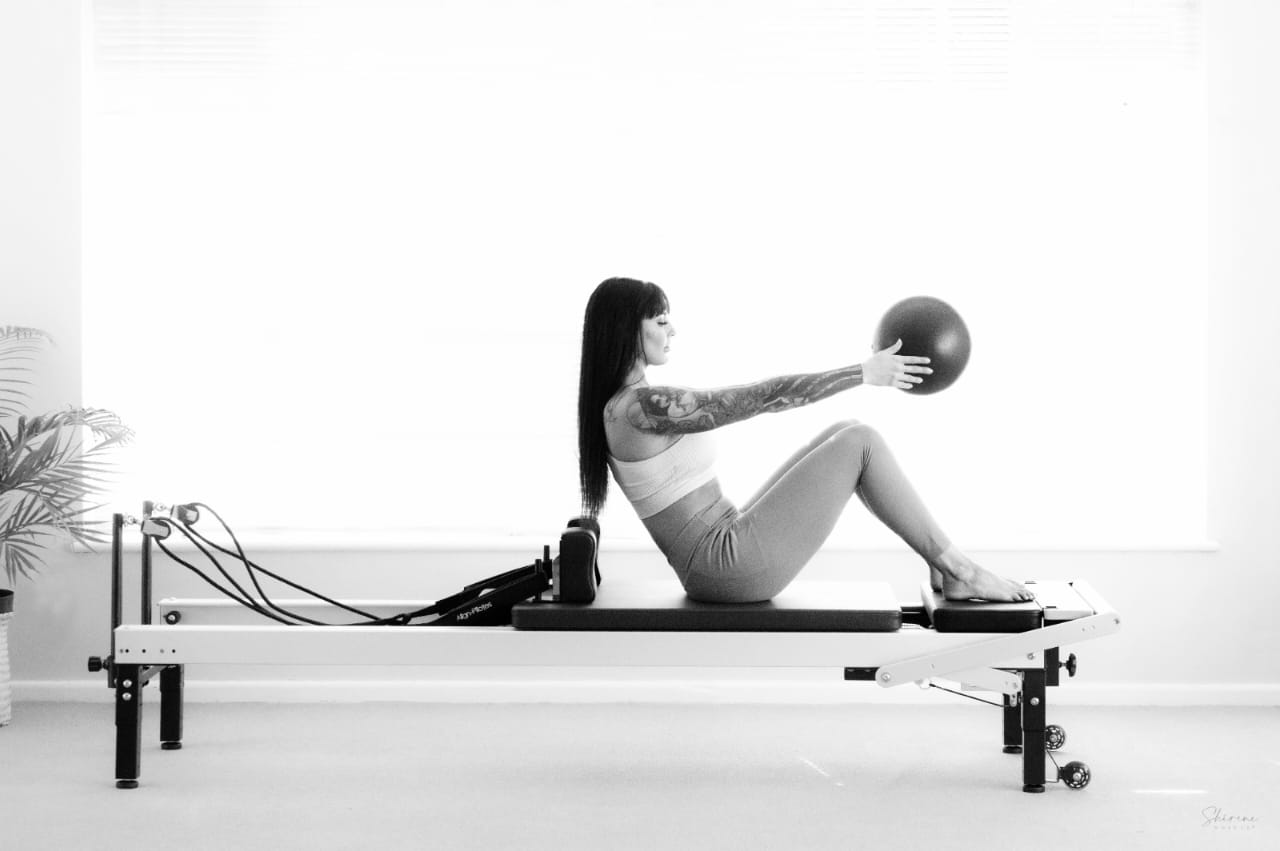
Privates & Semi-Private
These one-hour sessions are tailor-made for the individual. We have an opportunity to include Pilates mat, as well as equipment such as reformer, chair, cadillac, and barrels. Each trainer at The Source brings their unique background to their teaching so we’ll find your ideal match!
Schedule
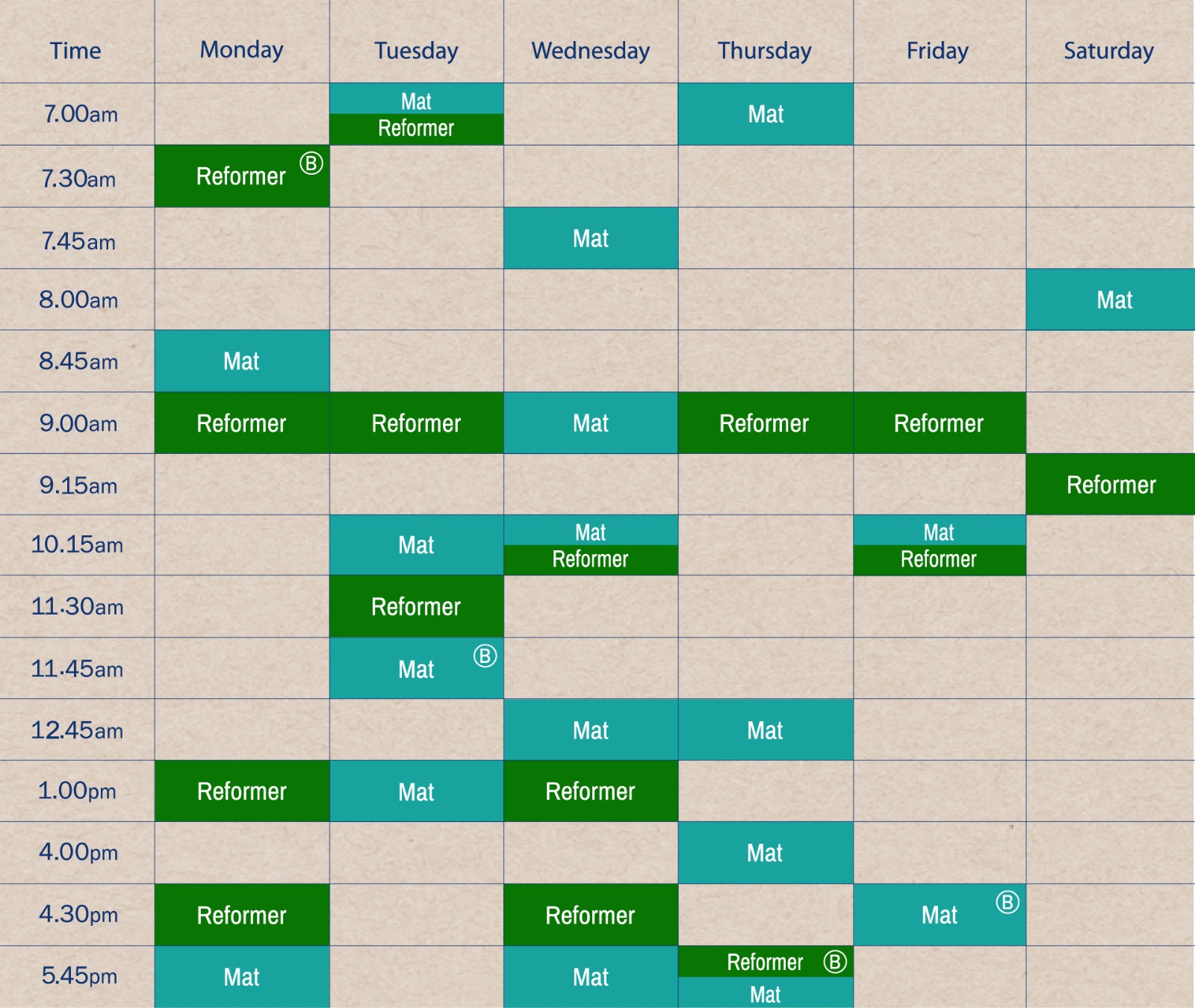
All Pilates classes and sessions are by pre-booking only!
Please email us at info@thesourcecapetown.co.za for more information on availability.
Private R775
Package of 10 privates R7150
Package of 5 privates R3700
Reformer class drop-in R450
1 reformer class per week (monthly fee) R1600
2 reformer classes per week (monthly fee) R2950
Semi-private drop-in R600
Semi-private package of 10 R5300
Semi-private package of 5 R2750
Mat class drop-in R310
1 mat class per week (monthly fee) R930
2 mat classes per week (monthly fee) R1700
*senior discount 5% on mat classes upon request
Renee Watson Pilates
Nedbank
Branch code 104609
Current account 1046407430
All Pilates clients are required to give a 24-hour notice of cancellation of classes and private sessions via email, Whatsapp or landline to enable you to make up a class. A No-Show or a Late-Cancellation will forfeit the opportunity to make these sessions up and will be charged for. Group class clients have until the end of the following month from the month of cancellation to make up sessions, as they will expire after the 2 months. We also offer a retainer for clients away for an extended period. Private clients may re-schedule sessions directly with their trainer.
STUDIO ETIQUETTE
Turn off cell phones while in studio.
Remove shoes before walking through the studio space.
You may not join a class if you are more than 10 minutes late.
We allow maximum 7 in a mat class and maximum 5 in a reformer class.
Teacher Training
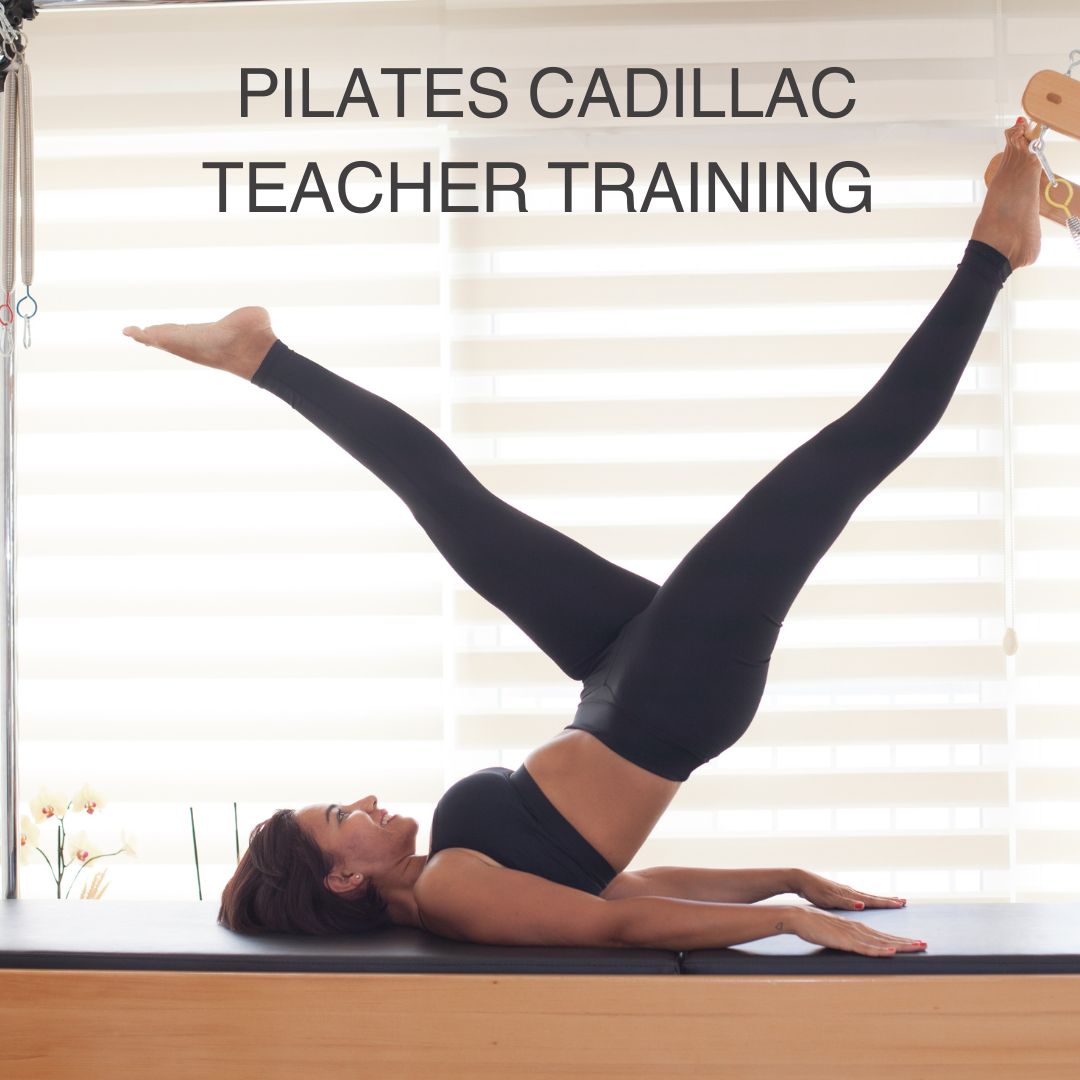
Pilates Cadillac
Teacher Training
August 2026
This comprehensive Pilates Cadillac course is the next step in becoming a comprehensive Pilates teacher! This teacher training provides a solid framework to equip participants to become the best possible equipment teachers. All courses are offered both in-person in studio or online for those based overseas. Lectures are recorded and provide a useful resource for students to review and catch up wherever needed.
Lectures:
During the 12 contact lecture hours, we will cover a relevant range of topics to deepen your understanding of the Pilates Cadillac. We often work in partners to encourage teaching practice, feedback, questions and discussion amongst the group.
• Understanding the balanced session framework (Warm up to Release)
• Comprehensive Cadillac exercise repertoire (Footwork to Tower prep)
• Application of anatomy (prime movers, relevant stabilizers, and stretches) to each exercise
• Mechanics of spring loading and how it affects resistance or assistance
• Modifications and use of small props or bolsters on the Cadillac
• Contraindications, precautions, and identifying common mistakes
• Posture analysis and movement assessment
• One-hour class design utilizing balanced sequencing, scaffolding, and repetitions
• Code of Ethics and Scope of Practice
Additional hours:
Along with the lecture hours above, students must complete additional hours to consolidate the course information into their physical and teaching practice:
* self practice hours (10 minimum): teaching is purely an extension of our own practice. With this in mind, students must have their own self-practice discipline on the equipment in order to embody the work and gain deeper understanding of the repertoire. These can be completed on one’s own or with a study group
* student teaching hours (10 minimum): learners complete a supervised case study where they work with a client over a series of 10 sessions. This allows students to apply posture analysis, movement assessment, class design, progressions and teaching skills in a real-world setting.
Assignments:
Various assignments assist students in assimilating and applying information to their Pilates Cadillac skills. These written assignments must be submitted for feedback and are then included on individual student portfolios
Final assessments
Students are given one year from the end of their course lectures to complete their certification requirements. With these comprehensive course requirements, CME students emerge as confident and compassionate Pilates teachers!
Dates 29 August (9am to 4pm)
Fees: R5500 (includes course materials, lectures, and exam fees)
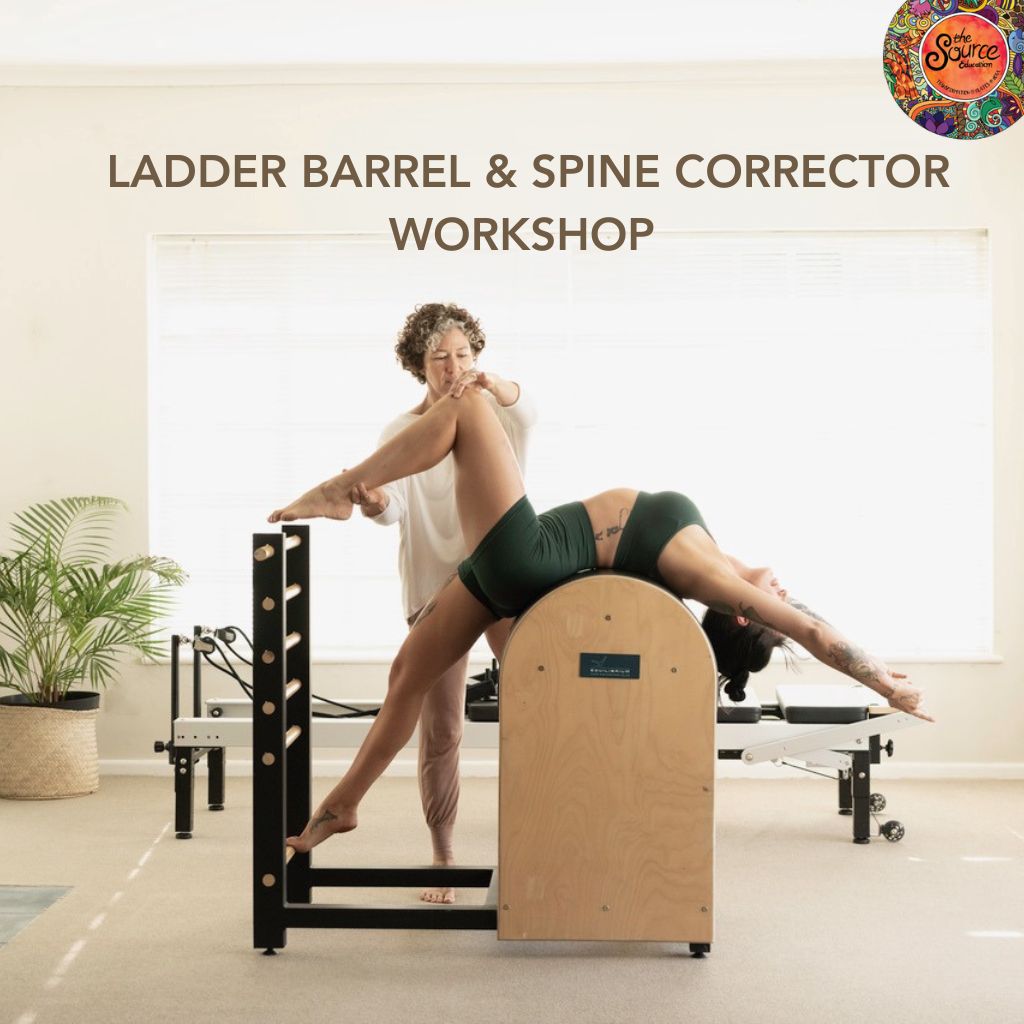
Ladder Barrel & Spine Corrector
Workshop
24 August OR 9 September
The ladder barrel and spine corrector are part of the Pilates apparatus that help us become comprehensive Pilates instructors. In this workshop, we cover the theory of incorporating barrels in a session and then breakdown repertoire to include within a Pilates session.
24 August (1pm to 4pm)
OR
9 September (2pm to 5pm)
Tuition: R1500 (includes notes)
Anatomy for Movement
September 2026
This Anatomy for Movement Workshop provides an essential foundation for anyone wanting to deepen their understanding of the human body and its relationship to movement. Whether you are preparing for Pilates teacher training, working in the movement industry, or simply wishing to expand your knowledge, this workshop equips participants with practical anatomy that can be immediately applied to exercise, rehabilitation, and everyday movement.
All workshops are offered both in-studio or online for those based overseas. Lectures are recorded and provide a valuable resource for students to review and revisit concepts whenever needed.
Lectures:
During the 20 contact lecture hours, we explore the fundamental principles of anatomy and how they relate to movement, posture, exercise technique, and injury prevention. Students are encouraged to participate in discussion, practical activities, and movement-based learning to reinforce theoretical concepts.
Topics:
* Introduction to anatomy and anatomical terminology
* The major body systems and how they function together
* The skeletal system, bone structure, and major bones of the body
* The spine: structure, curves, and movements
* Types of joints and joint function
* Planes of movement and movement analysis
* The nervous system and its role in movement
* Central Nervous System
* Peripheral Nervous System
* Muscle structure, fibres, and function
* Types of muscle contractions and application to movement
* Major muscles and their actions throughout the body
* Fascia
* Applying anatomy to movement and exercise programming
Throughout the workshop, anatomy is continually linked to practical movement examples, allowing learners to develop a deeper understanding of how the body moves as an integrated whole.
Assignments:
One anatomy assignment is handed out that encourages students to move beyond memorisation and develop a functional understanding of anatomy that can be applied in real-life teaching and movement environments.Students are required to submit this assignment as part of their Basic Pilates Mat course requirements.
September 11 (12noon to 4pm)
September 12 (9:30am to 3pm)
Tuition: R2000
*R950 for CME students
Basic Pilates Mat
TT in George
September 2026
- History of Joseph and Clara Pilates
- Principles of Pilates
- Neutral pelvis, neutral spine, imprinting
- Core Unit
- Posture types
- Foundation and basic level mat repertoire
- Application of anatomy (muscles, joint range, etc) to each exercise
- Modifications and use of props
- Contraindications and precautions
- Appropriate hands-on guidance
- Cueing skills and teaching techniques
- Studio safety
- New client intake
- Posture analysis and movement assessment
- Class design
- Code of ethics and Scope of practice
- Original 34 mat exercises overview
- observation hours (25 minimum) – learners may observe group mat classes in-studio (at the host studio or a CME affiliated studio) or online via zoom. Students are encouraged to focus on different ’themes’ while observing such as class design, cueing, imagery, use of props, etc. These observations are invaluable to integrating the work into teaching.
- participation hours (15 minimum) – learners are required to be a client in group classes in order to refine their technique and ability to demonstrate while teaching. *included within tuition
- self practice hours (25 minimum) – teaching is purely an extension of our own practice. With this in mind, students must have their own self-practice discipline in order to embody the work and gain deeper understanding of the repertoire. These can be completed one one’s own or with a ‘buddy’.
student teaching hours (10 minimum) – learners complete a supervised case study where they work with a client over a series of sessions. This allows students to apply posture analysis, movement assessment, class design, progressions and teaching skills in a real-world setting.
assisted teaching hours (5 minimum) – students teach while being actively supervised by a teacher trainer who provides immediate guidance and feedback regarding cueing, corrections, class design and overall teaching effectiveness
- anatomy – all students are required to submit the written anatomy assignment. Students that do not have a background in anatomy are required to attend the 10-hour Anatomy for Movement Workshop before attending the mat course.
- class design – learn how to design a well-balanced Pilates mat class with appropriate modifications for various levels of clients
- nutrition – while bearing in mind that Pilates instructors do not prescribe diets or supplements, this written assignment encourages each student to broaden their understanding of the human body by exploring a specific nutrition topic that interests them
- business plan – this assignment is a valuable exercise in having students realise the various aspects of running a Pilates business. Based on S.W.O.T., students research the costs of venue rental, equipment purchase, marketing, daily running costs, etc against potential income from group classes and private sessions. Learners gain insights into the rewards and risks of setting up a Pilates studio which enables wise decisions for their careers.
- case study (also known as student teaching hours)- we consider this 10-week case study the biggest learning experience on this course! Students find a ‘client’ from friends, family, colleagues or fellow students. Firstly, a client intake form, posture analysis and movement assessment has the student apply theory to a real body. Then designing a class to best benefit their client allows review of sequencing. Working with a client over 10 weeks has the student practice verbal and visual cueing along with how to modify and progress appropriately. In conclusion, students provide a summary of their journey and what they may have changed in hindsight.
- theory paper – worth 100 points, learners are allocated 2 hours for this multiple choice written exam. This assessment covers all material outlined in the course manual provided such as history of Joseph Pilates, Principles of anatomy, application of anatomy, repertoire, appropriate modifications, etc. Students may apply for extra time should this be required.
- practical evaluation – this 30-minute practical requires students to demonstrate 3 exercises and describe the muscles working as well as progressions and regressions. Students then teach 3 exercises to a ‘client’ and describe common mistakes and possible progressions and regressions.
- teaching assessment – this is the opportunity to bring ALL the information and learning together from this course! Students teach three 60-minute sessions to one or more ‘clients’ to demonstrate their ability to sequence a Pilates mat class, instruct clearly, and offer corrections appropriately.
Dates: September 26
October 10 & 24
November 14
Times: 9:30am to 4pm each day
Fees: R11,200 (tuition includes course materials, lectures, 10 group mat classes, and first-time assessment fees)
Basic Pilates Mat
Teacher Training
October 2026
- History of Joseph and Clara Pilates
- Principles of Pilates
- Neutral pelvis, neutral spine, imprinting
- Core Unit
- Posture types
- Foundation and basic level mat repertoire
- Application of anatomy (muscles, joint range, etc) to each exercise
- Modifications and use of props
- Contraindications and precautions
- Appropriate hands-on guidance
- Cueing skills and teaching techniques
- Studio safety
- New client intake
- Posture analysis and movement assessment
- Class design
- Code of ethics and Scope of practice
- Original 34 mat exercises overview
- observation hours (25 minimum) – learners may observe group mat classes in-studio (at the host studio or a CME affiliated studio) or online via zoom. Students are encouraged to focus on different ’themes’ while observing such as class design, cueing, imagery, use of props, etc. These observations are invaluable to integrating the work into teaching.
- participation hours (15 minimum) – learners are required to be a client in group classes in order to refine their technique and ability to demonstrate while teaching. *included within tuition
- self practice hours (25 minimum) – teaching is purely an extension of our own practice. With this in mind, students must have their own self-practice discipline in order to embody the work and gain deeper understanding of the repertoire. These can be completed one one’s own or with a ‘buddy’.
student teaching hours (10 minimum) – learners complete a supervised case study where they work with a client over a series of sessions. This allows students to apply posture analysis, movement assessment, class design, progressions and teaching skills in a real-world setting.
assisted teaching hours (5 minimum) – students teach while being actively supervised by a teacher trainer who provides immediate guidance and feedback regarding cueing, corrections, class design and overall teaching effectiveness
- anatomy – all students are required to submit the written anatomy assignment. Students that do not have a background in anatomy are required to attend the 10-hour Anatomy for Movement Workshop before attending the mat course.
- class design – learn how to design a well-balanced Pilates mat class with appropriate modifications for various levels of clients
- nutrition – while bearing in mind that Pilates instructors do not prescribe diets or supplements, this written assignment encourages each student to broaden their understanding of the human body by exploring a specific nutrition topic that interests them
- business plan – this assignment is a valuable exercise in having students realise the various aspects of running a Pilates business. Based on S.W.O.T., students research the costs of venue rental, equipment purchase, marketing, daily running costs, etc against potential income from group classes and private sessions. Learners gain insights into the rewards and risks of setting up a Pilates studio which enables wise decisions for their careers.
- case study (also known as student teaching hours)- we consider this 10-week case study the biggest learning experience on this course! Students find a ‘client’ from friends, family, colleagues or fellow students. Firstly, a client intake form, posture analysis and movement assessment has the student apply theory to a real body. Then designing a class to best benefit their client allows review of sequencing. Working with a client over 10 weeks has the student practice verbal and visual cueing along with how to modify and progress appropriately. In conclusion, students provide a summary of their journey and what they may have changed in hindsight.
- theory paper – worth 100 points, learners are allocated 2 hours for this multiple choice written exam. This assessment covers all material outlined in the course manual provided such as history of Joseph Pilates, Principles of anatomy, application of anatomy, repertoire, appropriate modifications, etc. Students may apply for extra time should this be required.
- practical evaluation – this 30-minute practical requires students to demonstrate 3 exercises and describe the muscles working as well as progressions and regressions. Students then teach 3 exercises to a ‘client’ and describe common mistakes and possible progressions and regressions.
- teaching assessment – this is the opportunity to bring ALL the information and learning together from this course! Students teach three 60-minute sessions to one or more ‘clients’ to demonstrate their ability to sequence a Pilates mat class, instruct clearly, and offer corrections appropriately.
October 10, 17, 24, 31
Times: 9:30am to 4pm each day
Fees: R11,200 (tuition includes course materials, lectures, 10 group mat classes, and first-time assessment fees)
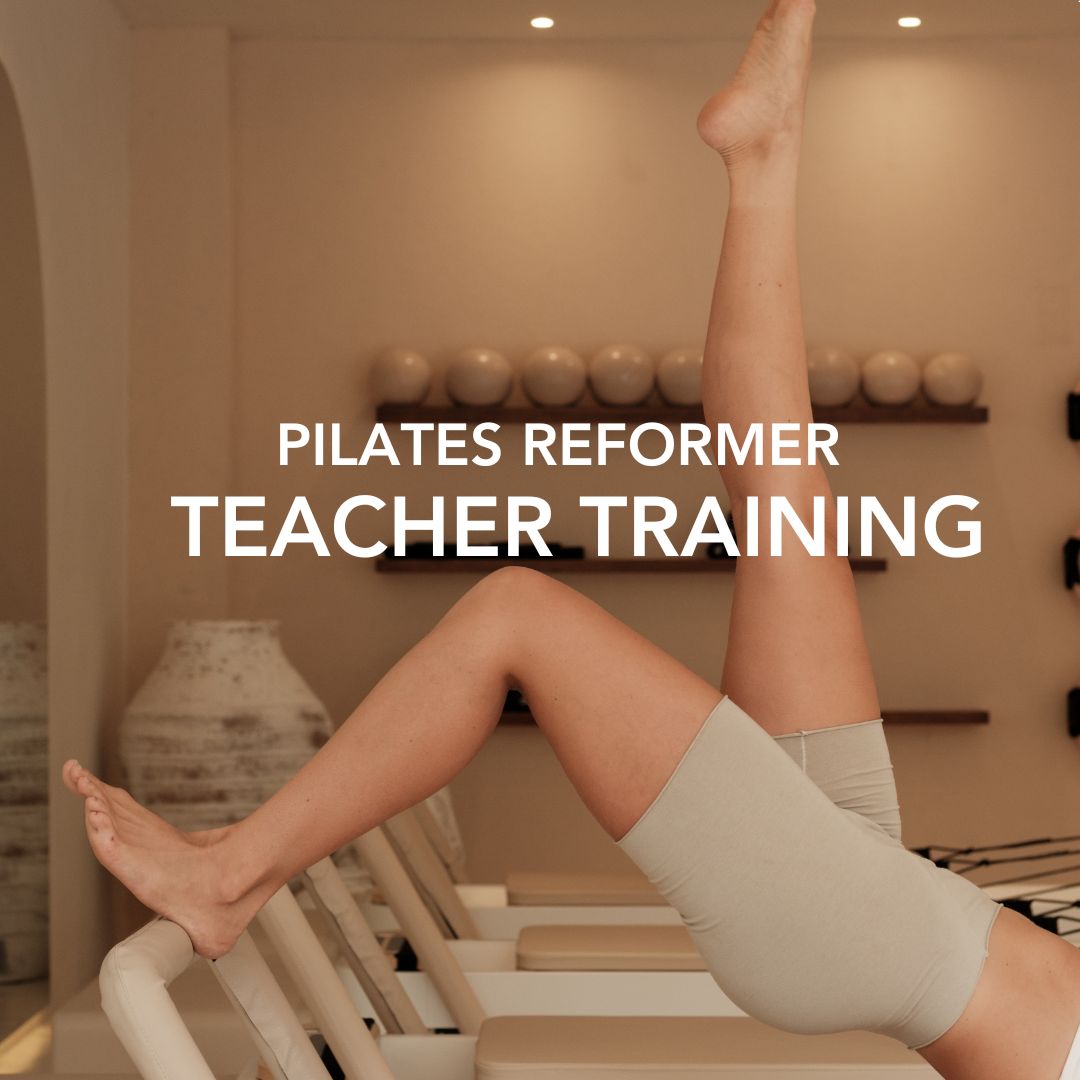
Pilates Reformer
Teacher Training
November 2026
This Pilates Reformer Teacher Training is a highly focused
continuing professional development course designed to deepen your
understanding of Reformer-based movement and bring new levels of precision,
creativity, and challenge to your teaching! This specialized training equips
participants with the skills required to confidently utilize the Pilates
Reformer across a wide range of client abilities and movement goals. All course
lectures are accessible through our flexible delivery framework, offering
recorded lectures that serve as a valuable ongoing resource for review and
continued professional growth.
Lectures
During the 24 contact workshop hours, we will explore a
comprehensive range of topics designed to enhance both technical proficiency
and teaching effectiveness on the Reformer. Practical application, peer
feedback, and collaborative discussion will form the foundation of the learning
experience:
• Specialized Reformer application across
foundational, intermediate, and advanced repertoire
• Footwork series and lower limb alignment
strategies to improve stability, strength, and movement efficiency
• Upper body strengthening and scapular
stabilization using straps, loops, and varied spring settings
• Biomechanical analysis of carriage movement,
resistance loading, and force distribution throughout the kinetic chain
•Progressions and regressions utilizing spring
tension adjustments, range of motion modifications, and support strategies
•Teaching strategies for posture correction,
movement precision, and enhancing client body awareness
•Contraindications, acute injury considerations,
and specific safety protocols when working with the Reformer
• Multi-dimensional teaching techniques including
verbal cueing, tactile guidance, visual demonstration, and movement observation
• Class design and sequencing strategies for
creating balanced, engaging, and progressive Reformer sessions
Additional Hours
To fully absorb and integrate this workshop into your
teaching practice, students are required to complete targeted practical
development activities:
• Self-Practice Hours (25 hours): Time spent
personally practicing the Reformer repertoire to develop a deeper understanding
of spring resistance, movement mechanics, and exercise execution.
• Student Teaching Hours (10 hours): Supervised
teaching practice where participants safely guide fellow students or clients
through Reformer exercises while refining cueing, equipment adjustments, and
correction techniques.
• Assisted teaching hours (10 total hours split
across all equipment including Reformer, Cadillac, Chair and Barrels): students
teach while being actively supervised by a teacher trainer who provides
immediate guidance and feedback regarding cueing, corrections, class design and
overall teaching effectiveness.
• case study (also known as Student Teaching): we
consider this case study one of the biggest learning experiences on the course!
Students find a healthy ‘client’ from friends, family, colleagues or fellow
students. Firstly, a client intake form, posture analysis and movement
assessment allows students to apply theory to a real body. Students then design
an initial Reformer programme before progressing their client over 10 sessions.
Throughout the process, learners develop their verbal and visual cueing skills,
learn how to modify and progress exercises appropriately, and gain confidence
in their teaching abilities. In conclusion, students provide a summary of their
journey and reflect on what they learned through the experience.
Final assessments:
• practical evaluation: this one-hour practical assessment consists of questions relating specifically to the Pilates Reformer repertoire. Students are assessed on their knowledge of the exercises, equipment set up, modifications, progressions and understanding of the work.
• teaching assessments: this is the opportunity to bring ALL the information and learning together from the course! Students are required to successfully complete three separate teaching evaluations. During these assessments, learners teach a one-hour Reformer session to one or more clients, demonstrating their ability to sequence a class effectively, instruct clearly, offer appropriate corrections and modifications, and manage clients professionally.
Students are given one year from the time of lectures to
complete their certification. With these comprehensive course requirements, CME
students emerge as confident, knowledgeable and compassionate Pilates Reformer
instructors!
Dates 20 June (9am to 4pm)
Fees: R5500 (includes course materials, lectures, and exam fees) (first time).
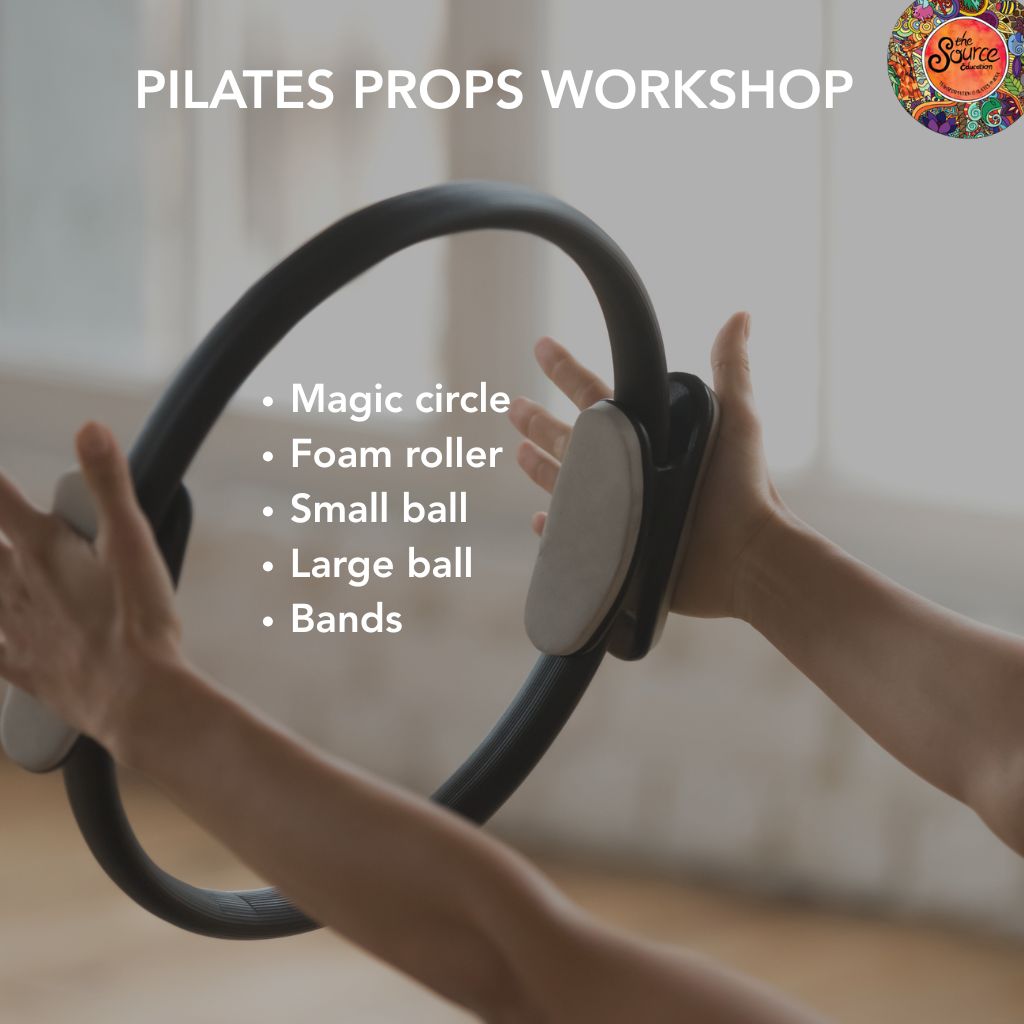
Pilates Props
Workshop
13 November 2026
In this 5-hour practical workshop, we explore incorporating small props into a Pilates mat or apparatus session. Understand how to use the magic circle, small ball, band, foam roller, and large ball to assist or challenge movement in a Pilates session.
Date: 13 November
Time: 12noon to 5pm
Fees: R2000 (includes notes)
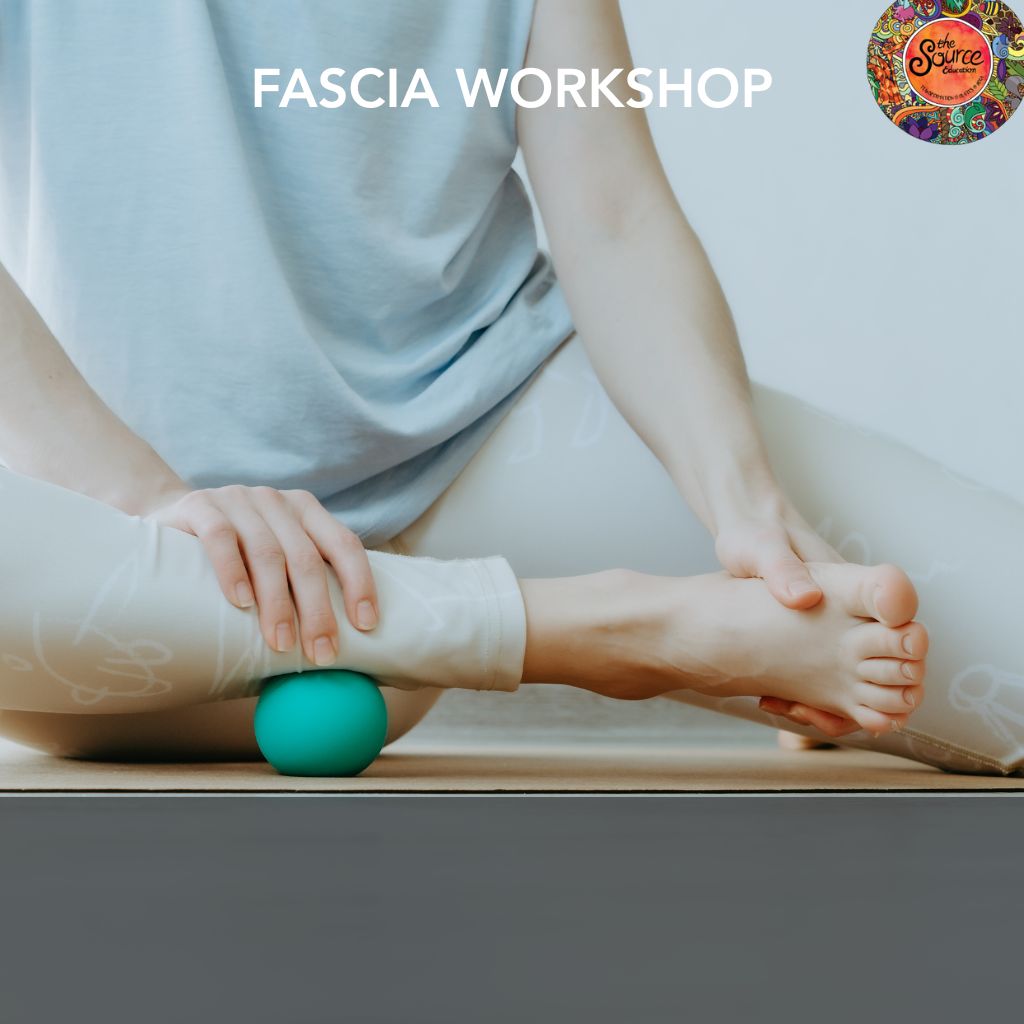
Fascia
Workshop
20 November 2026
In this 3-hour workshop, we discuss the different lines of fascia in the human body and explore the various qualities of fascia used in our movements. We learn to incorporate fascial work into our Pilates and Yoga practices.
Date: 20 November
Time: 1pm to 4pm
Fees: R850 (includes notes)
African Experience
Pilates Teacher Training 2027
29 January to 1 March 2027
Dates:
29 January to 1 March 2027
Immersion (6 days per week Thursdays off)
Private room en-suite $4700
Private room shared bathroom $4200
Shared room shared bathroom $4000
Tuition includes all courses, manuals, studio and class access, accommodation, 3 delicious meals daily, airport transfer, and certain outings.
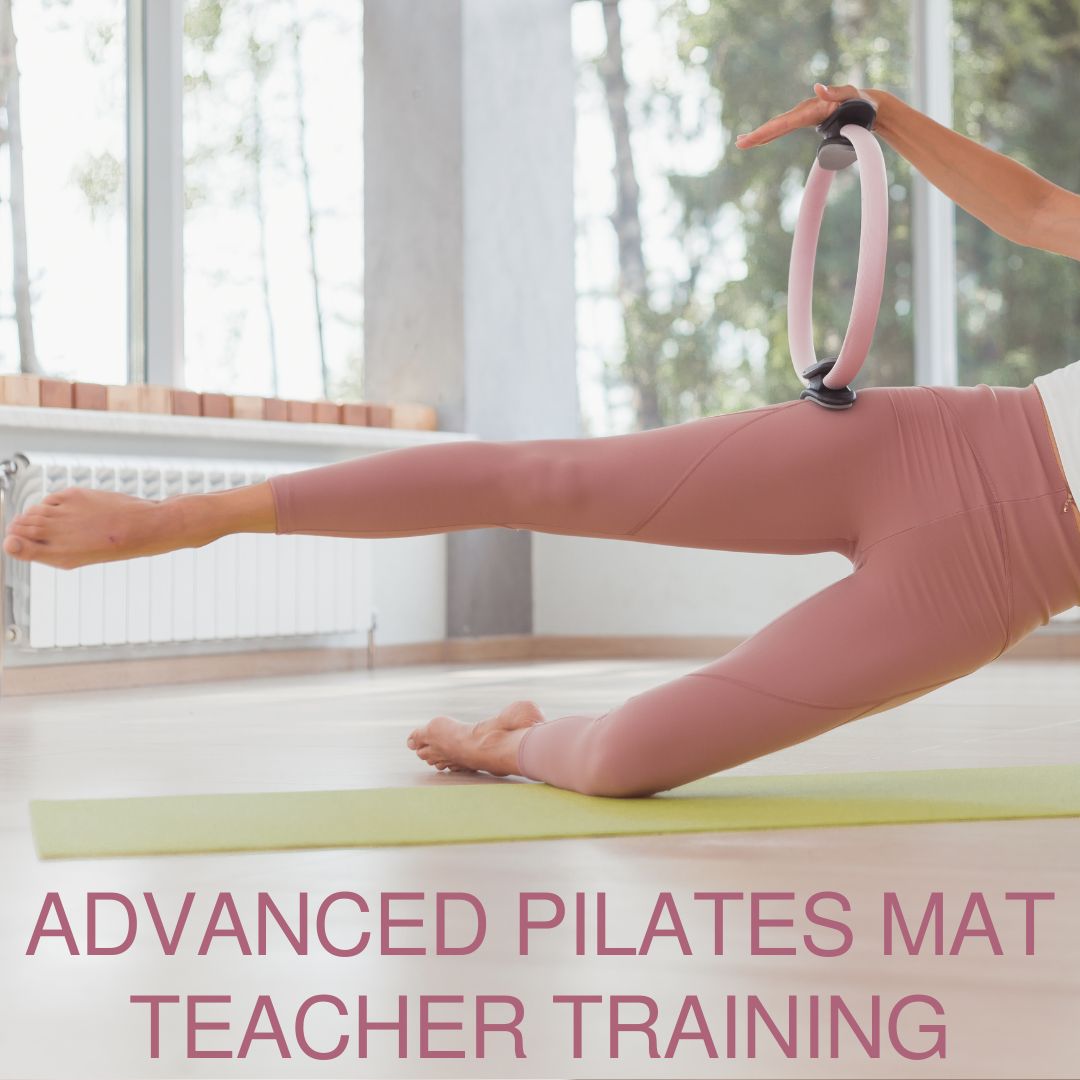
Advanced Mat
Teacher Training
February 2027
This intermediate and advanced Pilates mat teacher training provides a solid framework to equip participants to become the best possible teachers. All courses are offered both in-person in studio or online for those based overseas. Lectures are recorded and provide a useful resource for students to review and catch up wherever needed.
Lectures:
During the 15 contact lecture hours, we will cover a relevant range of topics to deepen your understanding of intermediate and advanced choreography. We often work in partners to encourage teaching practice, feedback, questions and discussion amongst the group.
• Intermediate and advanced level mat repertoire
• Application of anatomy (prime movers, relevant stabilizers, and muscles being stretched) to each exercise
• Understanding how to modify, assist, and progress complex movement patterns
• Understanding, identifying, and correcting common client mistakes
• Contraindications, precautions, and recognizing clients who must avoid specific high-level exercises
• Advanced cueing techniques across multiple dimensions (muscles, bones, joints, fascia, and breath or energy)
• Unique class design for intermediate and advanced level formats
• The specific progression and order of the Original 34 mat exercises outlined in Return to Life Through Contrology
Additional hours:
Along with the lecture hours above, students must complete additional hours to consolidate the course information into their physical and teaching practice. A log of all these hours must be handed in to complete your certification:
• observation hours (10 minimum) – learners may observe intermediate and advanced level group mat classes in-studio or online. Students are encouraged to focus on different aspects while observing such as class design, tracking, and cueing skills.
• participation hours (10 minimum) – learners are required to be a client in group mat classes or private sessions with a CME trainer in order to refine their technique and ability to embody the advanced work.
• self practice hours (5 minimum) – teaching is purely an extension of our own practice. With this in mind, students utilize an honor system to complete self-practice sessions on their own or with a study partner to integrate the movements into their own body.
• student teaching hours (10 minimum) – learners complete a practical case study where they work with an apparently healthy client over a series of 10 progressive sessions. This allows students to master the client assessment process, class design, tracking progressions, and teaching skills.
• assisted teaching hours (5 minimum) – students teach while being actively supervised by a teacher trainer who provides immediate, in-the-moment guidance and feedback regarding cueing, class design, corrections, and overall teaching effectiveness. (Can be completed in combination with basic mat).
Assignments:
Various assignments assist students in assimilating and applying information to their advanced Pilates mat skills. These written assignments must be submitted for feedback and are then included on individual student portfolios.
• class design – learn how to design a balanced, unique 60-minute intermediate to advanced level Pilates mat program. This assignment focuses on calculating suggested repetitions, ensuring smooth flow between exercises, and balancing muscles worked, and must be completed before commencing your case study.
• mind, brain, body – delve deeper into the holistic nature of the Pilates Method by researching the distinct differences between the brain and the mind. Explore how targeted breathing patterns, The Pilates Method, and mindfulness interact to relieve stress and improve mental coping mechanisms.
• case study package (also known as student teacher training) – find an apparently healthy potential client who has previous experience with basic Pilates mat. You will document an extensive client intake interview, perform a specialized visual posture grid analysis to identify skeletal imbalances, and conduct a functional movement assessment tracking specific exercises (such as the Roll down, Pelvic curl, Chest lift, and Front support basic). Using this data, you will map out their initial intermediate-level sequence, compile 10 structured progressive tracking reports, design their final advanced-level routine with targeted modifications or assists, and provide a comprehensive final summary of the personal insights and physical results achieved.
Final assessments:
• theory paper (50 points) – learners are allocated 2 hours (or more if needed) for this written exam at the host studio. Covering all material and applications outlined in the course manual, students must achieve a minimum passing score of 75%.
• practical evaluation (30 minutes) – students arrange an evaluation at the studio or live via Zoom to physically demonstrate 6 random exercises from the Original 34 repertoire. Candidates are evaluated on their ability to name the prime movers and stabilizers, explain common mistakes, and state appropriate regressions and progressions.
• teaching assessment – the absolute culmination of your training! Students must successfully clear three (3) separate, one-hour summative mat class evaluations with a teacher trainer (in person or live via Zoom). Students organize unique clients or a group to demonstrate total competence in clear multi-dimensional cueing, balanced formatting, spotting errors, safe modifications, pace management, and professionalism.
Students are given one year from the end of course lectures to complete all portfolio submissions and evaluation requirements.
Dates and times: TBC
Fees: R7 900 (includes course materials, lectures, and exam fees)
T's & C's
A non-refundable and non-transferrable 20% deposit for each course is required in order to ensure your place. The remaining course fees must be paid before the first day of the course. Payment plans are available with prior arrangement.
Fees are 50% refundable should students cancel 30 days before the course start date. Decided on an individual basis, students may hold a credit towards a future course.
Fees are non-refundable within 30 days of the course commencing.
A BIT OF HISTORY ON JOSEPH H.PILATES
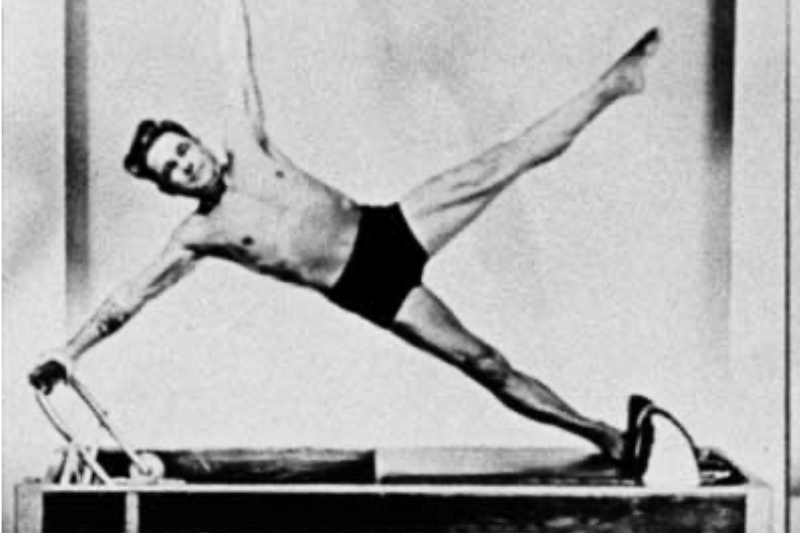
Joseph Pilates was born in 1883 near Dusseldorf, Germany. Although he was a sickly child, he developed himself into an accomplished athlete.
He was living in England when WW1 broke out, and he was interned on the Isle of Man.
While there, he developed the set of mat exercises now known as the Original 34. This is also where Pilates started using springs (from hospital beds) as resistance and these later evolved into the Pilates apparatus such as cadillac and reformer.
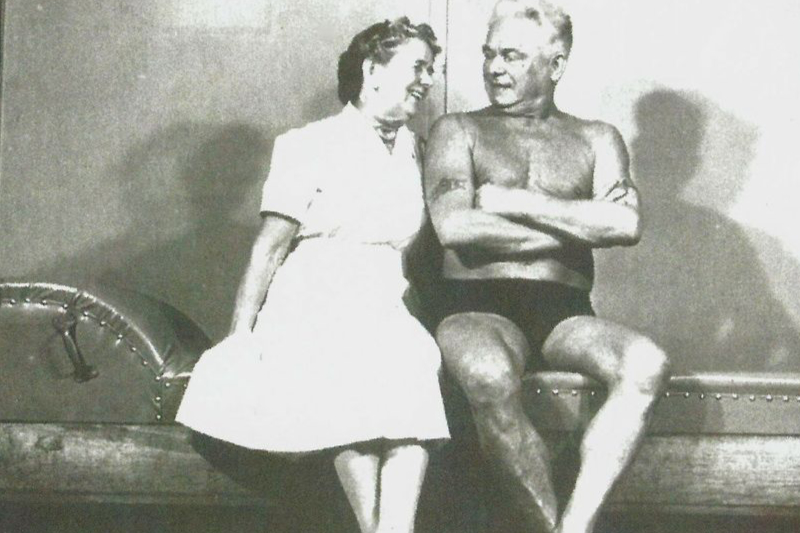
He moved to New York in the 1920’s and along with his wife, Clara, they opened a ‘body conditioning gym’. It soon became popular, especially with dancers, athletes and celebrities.
Although not always recognised, Clara was integral in teaching, training, and running their Contrology studio. Joseph wrote two books called ‘Your Health’ and ‘Return to Life Through Contrology’ which outlined his six principles (breath, precision, control, concentration, centering, flowing movement), repertoire and ideas of well-being.
Joseph Pilates died in 1967 and has left behind a legacy, a unique body of work, and dedicated followers who have continued to teach and evolve this method.